

 Earthly Taste
I’ve always loved trying new food, and when I travelled to Malaysia, I discovered a whole new world of flavours. It’s a place with such a mix of cultures, and that really comes through in the food. For me, being vegetarian, it can sometimes be a bit tricky when I’m exploring new countries, but Malaysia was surprisingly good for finding tasty options. I wanted to share some of my experiences and what I learned about Malaysian vegetarian food, hoping it might help you out if you’re planning a trip or just curious about what’s out there.
Key Takeaways
- Malaysia offers a fantastic array of Malaysian vegetarian food, drawing from its Malay, Chinese, and Indian cultural influences.
- While many traditional dishes focus on meat, plant-based versions of classics like Nasi Lemak and Rendang are readily available and delicious.
- Chinese Buddhist eateries are particularly good for exploring mock meat dishes and buffet-style selections.
- Indian vegetarian food, especially South Indian Thalis, provides another vibrant and flavourful option.
- Be mindful of hidden ingredients like shrimp paste or fish stock; always ask if you’re unsure, especially outside major cities.
A Taste Of Malaysia’s Diverse Flavours
Navigating The Culinary Landscape
Malaysia is a real melting pot, and you can really taste that in the food. It’s a mix of Malay, Chinese, Indian, and even some indigenous flavours all thrown into one big, delicious pot. Honestly, trying to get your head around it all can feel a bit overwhelming at first, but in the best way possible. It’s like a culinary adventure waiting to happen. You’ll find dishes that are sweet, sour, spicy, and savoury all in one mouthful. It’s pretty amazing how they manage to balance it all.
A Melting Pot Of Tastes
When I first visited Malaysia, I was blown away by the sheer variety. You can have something that feels really familiar, like a stir-fry, but then it’s got this unexpected kick of chilli or a hint of lemongrass that makes it totally unique. It’s this blend of cultures that really makes Malaysian food stand out. Think about Nasi Lemak, for example. It’s often called the national dish, and it’s basically coconut rice served with all sorts of bits and bobs. You might get some spicy sambal, some crunchy anchovies, peanuts, and a hard-boiled egg. It sounds simple, but the combination of textures and flavours is just spot on. It’s a great introduction to what Malaysian food is all about.
Understanding Malaysian Food Culture
Food here isn’t just about eating; it’s a huge part of the culture. Meals are when people connect, share stories, and just generally hang out. You’ll see families and friends gathered around tables, sharing dishes and having a good time. It’s a really warm and welcoming atmosphere. Even when you’re just grabbing a quick bite from a street vendor, there’s a sense of community. It’s this shared love for food that brings everyone together. If you’re planning a trip, definitely look up some of the famous dishes like Satay, which is grilled meat skewers with a rich peanut sauce, or Laksa, a spicy noodle soup that comes in different varieties. You can find some great recipes online to get a feel for it before you go, like this vegetarian take on Nasi Lemak.
Embracing Malaysian Vegetarian Food
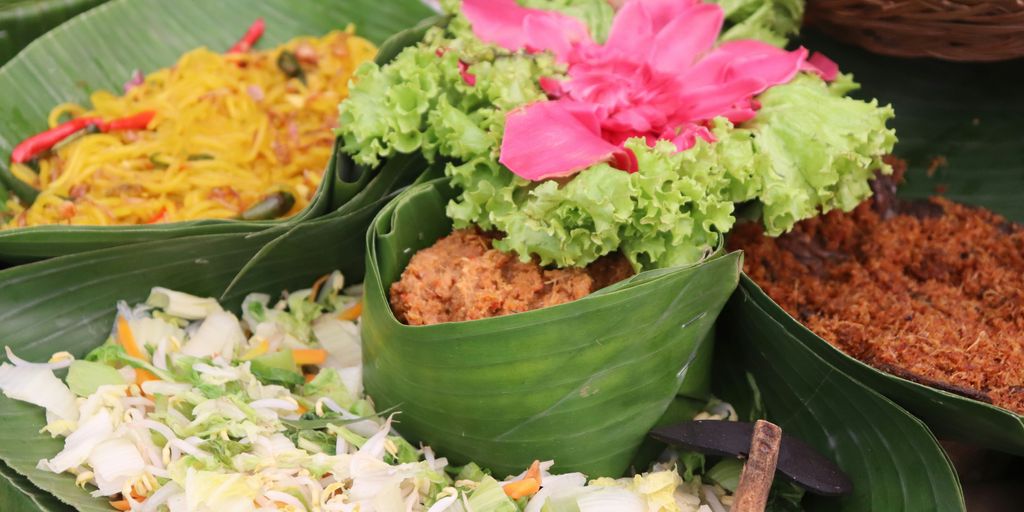
It might surprise you, but Malaysia is actually a fantastic place to eat if you’re vegetarian. I was a bit worried at first, thinking everything would be swimming in shrimp paste or fish sauce, but I was pleasantly mistaken! The food scene here is really opening up, and it’s not just for tourists. Loads of Malaysians are choosing to eat less meat, which means more and more places are offering brilliant vegetarian options. It’s amazing how adaptable Malaysian cooking is.
A Growing Trend
Honestly, it feels like everywhere you turn, there’s a new vegetarian-friendly spot popping up, especially in the bigger cities like Kuala Lumpur and George Town. It’s not just about health or the environment, though those are big factors for many. It’s also about rediscovering traditional flavours in new ways. You can find everything from simple street food stalls to more formal restaurants catering to this growing demand. It’s made exploring the local food culture so much easier and more exciting for me.
Vegetarianism On The Rise
I’ve noticed a real shift over the last few years. More and more people are consciously choosing meat-free meals. This isn’t just a fad; it’s becoming a way of life for many. It’s great because it means you can often find vegetarian versions of classic dishes that are just as flavourful as the originals. The key is often in the clever use of spices and aromatics, which are already so central to Malaysian cuisine. For instance, finding a good sambal belacan without shrimp paste is totally possible now, and it still packs a punch!
Malaysia’s Vegetarian-Friendly Ranking
Did you know Malaysia actually ranks pretty high globally for being vegetarian-friendly? I read somewhere that it came third in one study, which really surprised me but also made me feel much more confident about my food choices here. It means that the infrastructure is there, and people are generally aware and accommodating. You can even find apps that help you locate certified vegetarian vendors, which is a lifesaver when you’re out and about. It’s made my culinary adventures so much smoother, allowing me to really focus on enjoying the incredible tastes.
Classic Malaysian Dishes, Reimagined
Vegetarian Nasi Lemak
Nasi Lemak is practically the national dish of Malaysia, and it’s a real treat. Traditionally, it’s rice cooked in coconut milk, served with spicy sambal, anchovies (ikan bilis), and a fried egg. To make it vegetarian, the key is to tweak the sambal, which often has shrimp paste, and swap out the anchovies for a plant-based alternative. It’s amazing how much flavour you can get from just a few clever substitutions, keeping that signature taste intact.
Plant-Based Rendang Curry
Rendang is a slow-cooked curry, usually made with beef or chicken, that’s incredibly rich and fragrant. The magic is in the spice paste and the slow cooking process, which really lets the flavours meld. For a vegetarian version, I’ve found that using firm tofu or jackfruit works brilliantly. They soak up all those wonderful spices – lemongrass, galangal, turmeric, chillies – and give a satisfying texture. It takes a bit of time, but the result is so worth it, a truly comforting dish.
Meat-Free Laksa
Laksa is one of those dishes that has countless regional variations, but they all share a wonderfully complex, spicy, and often creamy broth. Whether it’s the rich, coconut-based curry laksa or the sour, tamarind-based assam laksa, it’s a flavour explosion. Making it vegetarian usually involves using vegetable stock and ensuring the paste is free from shrimp or fish. Tofu, bean sprouts, and fresh herbs are perfect additions to give it that authentic feel and texture. It’s a dish that really shows how versatile Malaysian flavours can be.
Exploring Chinese Buddhist Vegetarian Cuisine
When I first started exploring Malaysian food, I was really intrigued by the Chinese Buddhist vegetarian scene. It’s a whole different world of flavours and textures, and honestly, it’s brilliant. Many Chinese Malaysians follow Buddhism, and while not all Buddhists are vegetarian, a good number adopt a meat-free diet, especially during festivals or religious periods. This has led to the creation of some fantastic vegetarian restaurants, often found in areas with a strong Chinese presence.
The Art Of Mock Meat
One of the most fascinating things you’ll find in these places is the art of mock meat. They’re incredibly clever at recreating the textures and tastes of traditional meat and fish dishes using ingredients like soy, gluten, and seitan. You’ll see dishes on the menu with names that sound exactly like their meaty counterparts, but when they arrive, they’re completely plant-based. It’s a really creative way to enjoy familiar dishes without the meat. It’s amazing how they can mimic the chewiness of chicken or the flakiness of fish.
Buffet Style Delights
Lots of these Chinese Buddhist vegetarian restaurants operate on a buffet system. This is my favourite way to eat because I can just load up my plate with whatever catches my eye! You get to see all the different dishes laid out, and you can pick and choose exactly what you want. It’s a great way to try a bit of everything, and it’s usually really good value for money too. I always end up with a plate piled high with colourful vegetables, tofu creations, and flavourful curries.
Regional Chinese Influences
It’s also worth noting that because of the diverse origins of Chinese people in Malaysia, you’ll often find dishes that reflect specific regional Chinese cuisines. China is such a massive country, and its food varies hugely from one province to another. So, in these vegetarian restaurants, you might stumble upon dishes that are distinctly Sichuan, Cantonese, or from other regions. It’s a lovely way to get a taste of China’s vast culinary heritage, all within Malaysia. If you’re ever in Johor Bahru, I’d definitely recommend checking out a Chinese vegetarian restaurant there; they often have a great selection opposite the Old Chinese Temple.
Discovering Indian Vegetarian Delights
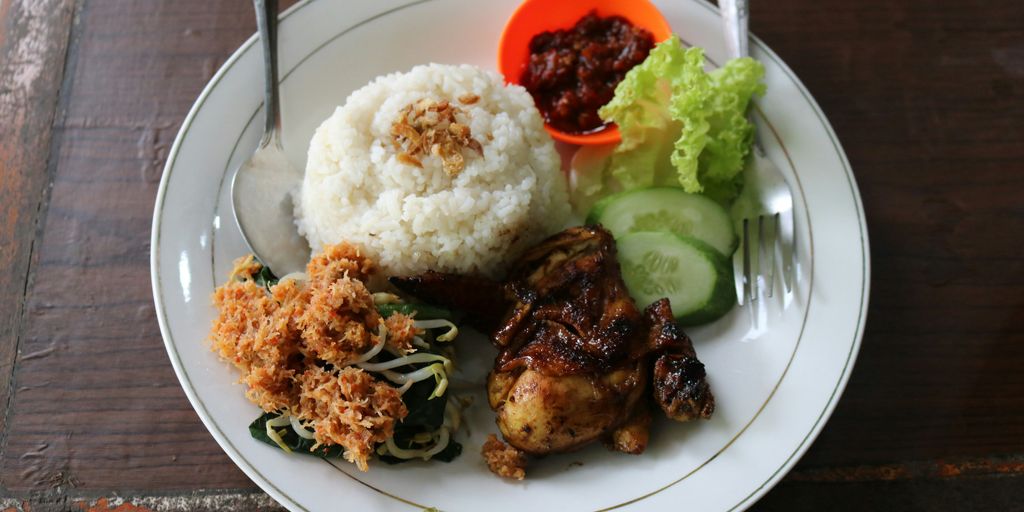
When I think about Indian food in Malaysia, my mind immediately goes to the vibrant areas known as ‘Little India’. These places are absolute goldmines for vegetarian eats, and honestly, they’re a fantastic starting point for anyone wanting to explore this side of Malaysian cuisine. The Indian community here is quite significant, with a large number of people, particularly from South India, following vegetarian diets. So, even if a restaurant isn’t exclusively vegetarian, you’ll almost always find a really good selection of meat-free options on their menus.
Spicy Malay Curries
While we’re talking about Indian influences, it’s worth mentioning that Malay curries themselves are often incredibly flavourful and can be found in brilliant vegetarian versions. Think of dishes that would traditionally have meat or fish, but are instead made with hearty chunks of tofu or other plant-based substitutes. I once had a vegetarian ‘fish head curry’ where the ‘fish’ was actually these massive pieces of soy – it was surprisingly good and packed with flavour!
South Indian Thalis
My absolute favourite way to sample a range of Indian flavours is by ordering a Thali. These are usually served on a large round platter and give you a chance to try several different dishes all at once. You often get a mix of curries, rice, some sort of bread, maybe a little dessert, and usually some pickles or chutneys too. It’s a brilliant way to get a real taste of South Indian cooking without having to order loads of separate dishes. You can often choose between a rice-based thali or a dosa-based one, which is pretty neat.
Dairy Considerations
One thing to keep in mind, especially if you’re vegan or have dairy issues, is that while many Indian dishes are naturally vegetarian, some might use ghee (clarified butter) or yogurt. It’s always a good idea to ask if you’re unsure. Most places are really helpful and can tell you what’s in a dish or even adapt it for you. Don’t be afraid to communicate your needs; it makes finding delicious food so much easier. For some great recipe ideas, you can check out a collection of recipes.
Sweet Treats And Snacks
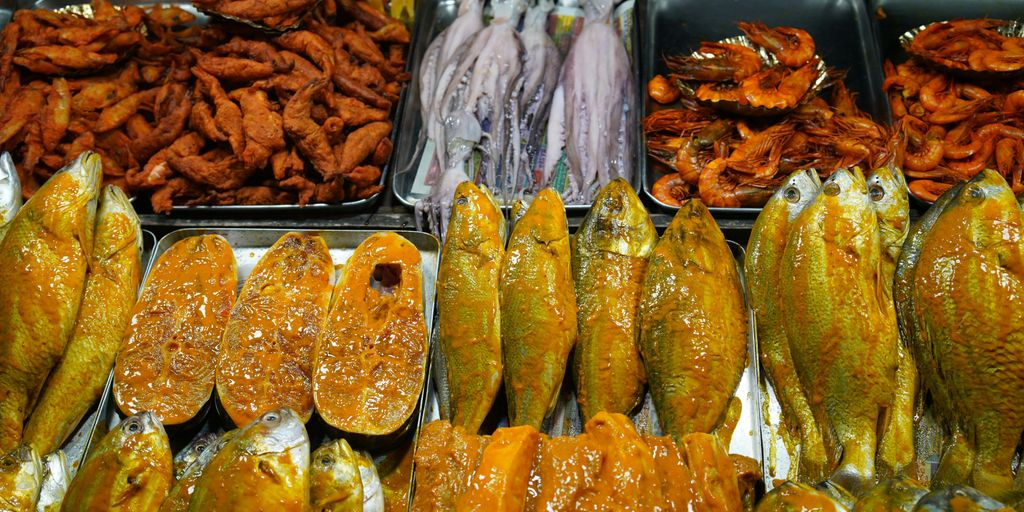
Malaysian cuisine isn’t just about the main meals; the sweet treats and snacks are just as exciting, and thankfully, many are naturally vegetarian or easily made so. I always make sure to leave room for dessert when I’m exploring the food scene here.
Ondeh-Ondeh Delights
These little green balls are an absolute joy. They’re made from glutinous rice flour, filled with liquid palm sugar (gula Melaka), and then rolled in fresh, grated coconut. When you bite into one, the warm, sweet sugar just oozes out. They’re slightly chewy on the outside and have this wonderful burst of sweetness inside. They’re a perfect little bite of pure happiness.
Crispy Goreng Pisang
Fried bananas, or ‘Goreng Pisang’, are a common sight and a personal favourite of mine. They’re usually made with a simple batter and fried until golden and crispy. The inside is soft and sweet, and they’re best eaten piping hot, straight from the fryer. You can find them at many street food stalls and markets.
Refreshing Cendol
Cendol is a really popular dessert, especially on a hot day. It’s a mix of shaved ice, coconut milk, palm sugar syrup, and these chewy green pandan-flavoured jelly noodles. Sometimes you’ll find red beans or sweet corn mixed in too. It’s incredibly refreshing and has a lovely balance of sweet and creamy flavours. It’s definitely a must-try if you’re looking for something cool and sweet. I found a great little place for it during my last trip to Penang, which you can read about on Earthly Taste blog.
Trying these local sweets is a fantastic way to experience another side of Malaysian culture. They’re often made with simple, natural ingredients and are a real treat for the taste buds.
Tips For Your Culinary Adventure
So, you’re ready to dive into Malaysia’s amazing vegetarian food scene? Brilliant! It’s a fantastic place for plant-based eaters, but like anywhere new, there are a few things I’ve learned that might make your trip smoother. Don’t worry, it’s not complicated, just a few little pointers to keep in mind.
Watch Out For Hidden Ingredients
This is probably the most important bit of advice I can give. While many dishes are naturally vegetarian or can easily be made so, you’ve got to be a bit savvy. Sometimes, fish sauce or shrimp paste (belacan) can sneak into things you wouldn’t expect, especially in broths or marinades. It’s not malicious, it’s just how the flavours are built. Always ask if you’re unsure. A simple "Vegetarian?" or "No fish sauce/belacan" usually does the trick. Many places are really accommodating once they understand what you need. It’s worth checking out places like Terre à Terre in Brighton if you want to see how creative vegetarian food can be plant-based dining.
Communicating Your Needs
Learning a few basic phrases can go a long way. While English is widely spoken, especially in tourist areas, knowing how to say "I am vegetarian" (Saya vegetarian) or "I don’t eat meat/fish/seafood" (Saya tidak makan daging/ikan/sotong) can be super helpful. Don’t be shy about it! Most people are genuinely happy to help you find something delicious. If you’re pointing at a menu, you can also point to the ingredients you want to avoid. It’s all part of the adventure, really.
Finding Vegetarian Options Outside Cities
While the big cities have plenty of dedicated vegetarian restaurants and clearly marked options, venturing into smaller towns or rural areas might require a bit more effort. Look for places that specialise in Chinese Buddhist vegetarian cuisine, as they often have extensive menus. Hawker stalls can be great, but again, be mindful of shared cooking surfaces or ingredients. If you see a stall with lots of fresh vegetables and tofu, that’s usually a good sign. Don’t be afraid to ask the vendor directly – they’re often happy to explain their dishes. Sometimes, a simple plate of steamed rice with stir-fried vegetables is a perfectly satisfying meal.
So, What’s Next?
Right then, that’s pretty much my take on vegetarian food in Malaysia. It’s been a real eye-opener, honestly. I went in not really knowing what to expect, but I’ve come away absolutely buzzing about the flavours and the sheer variety. From those mock meat wonders in the Chinese Buddhist places to the surprisingly tasty vegetarian renditions of classic Malay dishes, there’s so much to explore. Don’t be shy about asking for vegetarian options, most people are really helpful, and you’ll be rewarded with some seriously good eats. I’m already planning my next trip back, just thinking about that mee goreng makes my mouth water. Give it a go, you won’t regret it!
Frequently Asked Questions
Is it easy to find vegetarian food in Malaysia?
Oh, Malaysia is super cool for vegetarians! Loads of people eat meat, sure, but because of the different cultures there, like Indian and Chinese, there are tons of veggie options. It’s actually ranked pretty high up as a vegetarian-friendly place globally. You just need to know what to look for, and this guide is here to help with that!
What are some classic Malaysian dishes that vegetarians can enjoy?
Definitely! Think of dishes like Nasi Lemak, which is rice cooked in coconut milk. The usual version has anchovies and egg, but you can easily get a veggie version without them. Also, Rendang, which is usually made with meat, can be found as a delicious plant-based curry. And Laksa, a spicy noodle soup, often has veggie versions too!
What’s special about Chinese Buddhist vegetarian food in Malaysia?
You’ll find a lot of Chinese Buddhist restaurants that are amazing for vegetarians. They often use things like tofu, mushrooms, and gluten to make ‘mock meat’ that tastes surprisingly like the real thing! It’s a fantastic way to try lots of different flavours, and they’re usually buffet style, so you can pick and choose.
What kind of Indian vegetarian food should I look out for?
Indian food in Malaysia is often really veggie-friendly. You can find amazing curries that are super spicy and full of flavour, often using tofu or other plant-based stuff instead of meat. And if you’re lucky, you might even find a South Indian Thali, which is like a platter with lots of small veggie dishes – a real treat!
What about Malaysian desserts and snacks?
Oh, the sweets are the best! You’ve got to try Ondeh-Ondeh, which are little green balls made of sticky rice, filled with sweet palm sugar, and rolled in coconut. Then there’s Goreng Pisang, which are crispy fried banana fritters – yum! And Cendol is a super refreshing dessert with shaved ice, coconut milk, and palm sugar.
What should I watch out for when ordering vegetarian food?
My top tip is to always double-check ingredients, especially with street food or hawker stalls. Things like shrimp paste or fish stock can sneak into dishes for flavour. It’s also good to learn a few basic phrases or have a translation handy to tell people you’re vegetarian. Most people are really helpful, though!