
 Earthly Taste
Doing the washing up is a chore most of us don’t exactly look forward to, but the products we use can make a difference. Many traditional washing up liquids come in plastic bottles and contain chemicals that aren’t great for the environment. Thankfully, there are now loads of eco washing up liquid options out there. These alternatives often use better ingredients and packaging, helping you get your dishes clean without the guilt. It’s a simple swap that can really help reduce your household’s impact.
Key Takeaways
- Switching to an eco washing up liquid helps reduce plastic waste and avoids harsh chemicals that can pollute waterways.
- Look for plant-based, biodegradable ingredients and packaging that’s refillable, recyclable, or plastic-free.
- Consider solid dish soap bars or concentrated liquids as sustainable alternatives to traditional bottled options.
Making The Switch To Eco Washing Up Liquid
Right then, let’s talk about ditching that old bottle of washing-up liquid for something a bit kinder to the planet. It’s easy to just grab what’s familiar, but honestly, the amount of plastic waste these things create is pretty staggering. We’re talking about bottles that can stick around for ages, ending up in places they really shouldn’t. But the good news is, there are loads of brilliant alternatives out there now, making it simpler than ever to make a change.
Why Go Green With Your Washing Up?
So, why bother switching? Well, for starters, it’s a really straightforward way to cut down on plastic. Many eco-friendly brands are moving away from single-use bottles, offering things like refills, concentrates, or even solid bars. This means less plastic heading to landfill or, worse, our oceans. Plus, these eco-friendly options often use gentler ingredients. This means fewer harsh chemicals going down your drain, which is better for waterways and, let’s be honest, probably better for your skin too. It’s a small change in your kitchen that can have a surprisingly big impact.
What To Look For In An Eco Washing Up Liquid
When you’re on the hunt for a greener washing-up liquid, keep an eye out for a few key things. Firstly, packaging is a big one. Look for brands that use recycled materials, offer refill pouches, or have a take-back scheme for their bottles. Concentrated formulas are also great because you use less product per wash, meaning the bottle lasts longer. Secondly, check the ingredients. You want to see plant-derived cleaning agents and biodegradable formulas. Avoid anything with phosphates, synthetic fragrances, or harsh chemicals like SLS (Sodium Lauryl Sulfate), which can be tough on the environment. Some brands even have certifications to look out for, like cruelty-free or vegan labels, which can help guide your choice.
- Packaging: Recycled, refillable, or minimal plastic.
- Ingredients: Plant-based, biodegradable, free from harsh chemicals.
- Concentration: Less product needed per wash.
- Certifications: Cruelty-free, vegan, eco-labels.
Making the switch doesn’t mean you have to compromise on cleaning power. Many eco-friendly options tackle grease and grime just as effectively as their conventional counterparts, proving that green cleaning can be powerful cleaning.
Top Eco Washing Up Liquid Choices
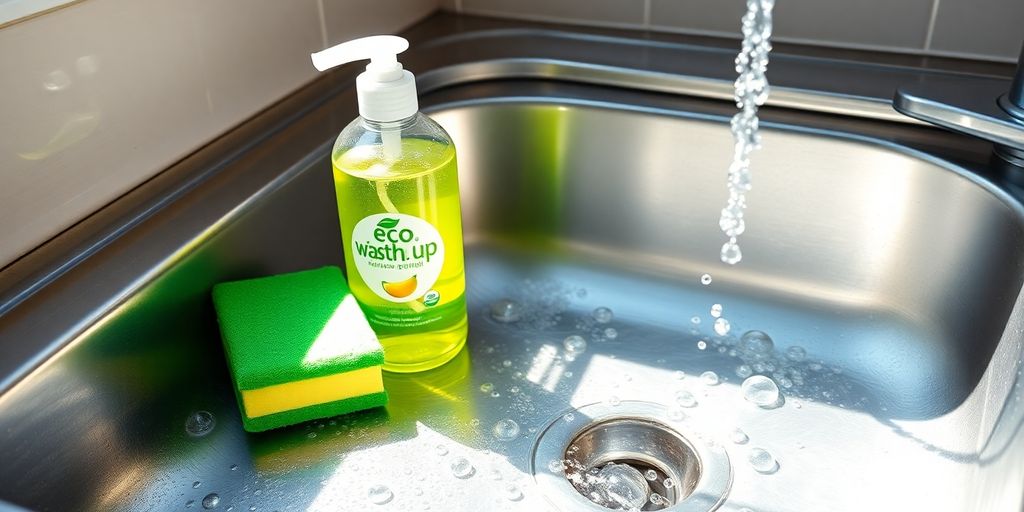
Right then, let’s talk about making the switch to washing-up liquids that are kinder to the planet. It’s not just about getting your pots and pans sparkling; it’s about doing it without chucking loads of plastic into landfill or washing nasty chemicals down the drain. Thankfully, there are some brilliant options out there now that do a cracking job and tick all the eco-friendly boxes.
Refillable And Zero-Waste Options
Gone are the days when your only choice was a big plastic bottle. Loads of brands are now offering ways to cut down on packaging, which is a massive win. You can often buy concentrates that you mix with water at home, or get larger refill pouches that use way less plastic than buying a new bottle every time. Some places even do subscription services where they send you refills regularly, or you can take your empty bottles back to be refilled. It’s a bit like going back to how things used to be, but with better cleaning power!
- Concentrates: You just add water at home, meaning less shipping weight and less packaging.
- Refill Pouches: Much less plastic than a new bottle, and often recyclable.
- Returnable Bottles: Some companies take back their packaging to be cleaned and reused.
It’s worth looking into brands that are really committed to reducing waste. For instance, Dirty Labs is a brand that’s getting a lot of love for its straightforward, effective low-waste laundry solutions, and the same thinking often applies to their dishwashing products too.
The real game-changer is when companies think about the whole lifecycle of their product, from ingredients to packaging, and how it all gets disposed of. It’s not just about one thing; it’s the whole package.
Solid Dish Soap Bars For Greasy Pots
If you’re really serious about ditching plastic, then solid dish soap bars are a fantastic alternative. They usually come in a simple cardboard box, so no plastic bottle at all. They might look a bit old-fashioned, but don’t let that fool you – these bars are often super concentrated and brilliant at cutting through grease. You just rub a wet sponge or brush onto the bar to get a good lather. They last ages too, so while the initial cost might seem a bit higher, they often work out cheaper in the long run. Plus, they’re great for taking away if you’re camping or travelling, as there’s no risk of leaks!
- Plastic-free: Usually come in cardboard packaging.
- Long-lasting: A little goes a long way.
- Travel-friendly: No spills or leaks to worry about.
Understanding Eco Claims And Ingredients
Decoding Eco Labels And Certifications
So, you’re trying to pick a washing-up liquid that’s kinder to the planet, and you’re faced with a wall of green labels and buzzwords. It can feel a bit like a minefield, can’t it? Brands love to tell you they’re ‘natural’ or ‘eco-friendly’, but what does that actually mean?
It’s really important to look beyond the pretty packaging and vague promises. Sometimes, what looks good on the outside just doesn’t hold up when you check the ingredients. For instance, you might see claims like ‘free from palm oil’ or ‘no harsh chemicals’, which is great, but then you need to dig a bit deeper.
Here are a few things to keep an eye out for:
- Vegan: This means no animal products or by-products are used. Simple enough.
- Cruelty-Free: This is about animal testing. If a brand is certified cruelty-free, it means neither the final product nor its ingredients have been tested on animals. Look for recognised logos like the Leaping Bunny.
- Organic: This usually refers to ingredients grown without synthetic pesticides or fertilisers. It’s a good sign, but remember, not all ingredients in a product need to be organic for it to be labelled as such.
Some companies might also highlight what they don’t include, like parabens, phthalates, or synthetic fragrances. These are generally good things to avoid, as they can be a bit harsh on both your skin and the environment.
The Importance Of Biodegradable Ingredients
When you think about it, washing-up liquid goes straight down the drain and into our waterways. So, it makes sense that we’d want what we use to break down without causing a fuss, right? That’s where biodegradability comes in.
Most washing-up liquids use something called surfactants. These are the bits that actually lift the grease and grime off your plates. They can be made from plants (like coconut or palm oil) or from petroleum. The law says that surfactants used in detergents need to be biodegradable, meaning they should break down within 28 days if there’s oxygen around. Even some petroleum-based ones can pass this test.
However, surfactants made from plant oils are often considered ‘readily biodegradable’. This means they break down much more completely and quickly. If a brand uses plant-based surfactants, it’s a good sign. Just be mindful of how they source their ingredients, especially if it’s palm oil, as that can have its own environmental issues.
You can’t always trust a brand just because it sounds ‘green’. It’s always worth checking the ingredient list. If you see vague terms like ‘fragrance’ or ‘perfume’, it’s a bit of a red flag because they can hide all sorts of things that aren’t very eco-friendly.
So, when you’re choosing, try to look for products that are clear about their ingredients and have certifications that mean something. It’s not just about what’s in the bottle, but also what’s not.
So, What’s the Verdict?
Right then, after all that chat about suds, plastic, and what-not, it’s pretty clear that ditching your usual washing-up liquid for an eco-friendlier option is a no-brainer. It’s not just about saving the planet, though that’s a biggie, is it? It’s also about keeping dodgy chemicals away from your plates and your skin. Whether you fancy a concentrated refill, a solid bar, or even having a go at making your own, there are loads of decent choices out there now. So, give it a go, eh? Your dishes, your hands, and the environment will thank you for it.
Frequently Asked Questions
Why should I switch to eco-friendly washing-up liquid?
Using eco-friendly washing-up liquid is a great way to help the planet. Many regular washing-up liquids contain chemicals that can harm rivers and sea life. Plus, they often come in plastic bottles that create a lot of waste. Eco-friendly options usually have gentler ingredients and come in better packaging, like refillable bottles or cardboard, which means less plastic pollution.
What should I look for when buying eco-friendly washing-up liquid?
When you’re shopping for an eco-friendly washing-up liquid, check the ingredients list. Look for things that are plant-based and break down easily in water, like those made from coconut or palm oil (but make sure the palm oil is sourced responsibly). Avoid harsh chemicals like phosphates, parabens, and artificial perfumes. Also, keep an eye out for packaging that’s plastic-free, recyclable, or refillable to cut down on waste.
Do eco-friendly washing-up liquids actually clean well?
Yes, they really do! While some older eco-friendly soaps might not have foamed as much as the ones we’re used to, newer ones are just as good at cutting through grease and dried-on food. Many brands now offer powerful, plant-based formulas that leave your dishes sparkling clean, proving you don’t have to sacrifice cleaning power to be kind to the environment.